
Why Meta data centers and cloud data handling matter today
Think about all the things you do online every day. Sending messages, watching videos, or sharing photos. All these things need a special place to live and work.

These places are called data centers. Huge companies like Meta have their own big data centers. We will explore how a meta data center works and why understanding them is key.
These huge data centers are growing fast. The market for very large data centers, called hyperscale data centers, is expected to grow by a lot from 2026 to 2030, showing just how important they are becoming Hyperscale Data Center Market Size 2026-2030 – Technavio. This growth also means more data center jobs are created, helping people find work in this important field.
Many people also hear about cloud data. This is like storing your information not on your computer, but on many computers far away, usually managed by cloud service providers. It makes things easy because you can get your information from anywhere. But how this cloud data is handled is super important. There are many things to learn about how data gets from you to the cloud and back safely.
Sometimes, people get confused when they talk about a meta data center or how cloud data is kept safe. They might not know all the steps involved or the possible risks. For example, knowing how to choose a cloud data management platform that stops AI hallucinations can prevent bad information from spreading choose a cloud data management platform that stops AI hallucinations. This article will help you understand Meta’s special ways of building and running its data centers. We will also look at how they handle your cloud data and what this means for you and your online world. We’ll even touch on things like google data center jobs and the big picture of how all this tech works.
Now, let’s peek inside these giant buildings to see how a meta data center is put together. It’s like looking at the special parts and how they are laid out.
A data center has many different layers, both physical and how they are managed. Think of it like a very smart building.
Physical Layers: The Building Blocks
First, there are the physical parts you can see and touch:
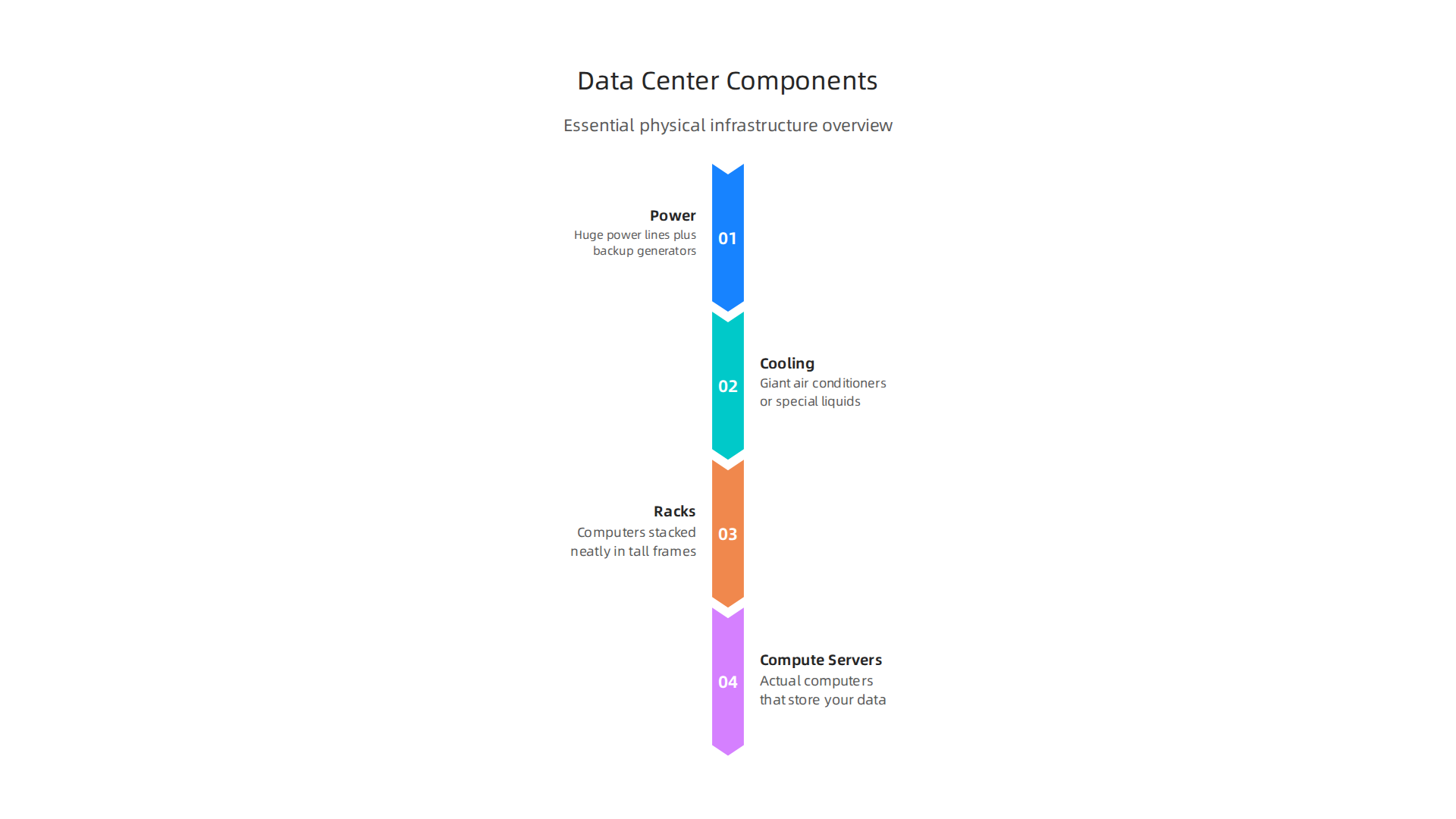
- Power: Data centers need a lot of electricity. Think of all the computers running all the time! They have huge power lines bringing in energy, plus big backup generators just in case the main power goes out. This keeps everything running smoothly, so your cloud data is always there.
- Cooling: All those computers make a lot of heat. So, data centers have huge cooling systems. These can be giant air conditioners or even special liquids that keep the computers from getting too hot and breaking down. Keeping things cool is a big part of why these centers work well.
- Racks: Inside, computers are stacked neatly in tall metal frames called racks. Each rack holds many servers. These servers are the main "brains" that do all the computing work.
- Compute (Servers): These are the actual computers that store your photos, messages, and help apps run. A single meta data center has thousands of these servers, working together to handle tons of information. Huge facilities like these provide a lot of computing resources and storage Advancing Cloud and Data Infrastructure Markets – The World Bank.
Logical Layers: Making It All Work
Beyond the physical stuff, there are smart systems that make everything run:
- Orchestration: This is like the conductor of an orchestra. It’s the software that tells all the different parts of the data center what to do. It makes sure power, cooling, and all the servers are working together. This is super important for how cloud service providers manage all your cloud data. If you’re interested in managing these complex systems, learning about a Cloud Engineer Career Roadmap 2026 Skills Certifications And Salary might be a great next step. These kinds of roles are part of the many data center jobs available today.
Smart Design Choices
Companies like Meta use clever designs for their data centers:
- Modular Design: They often build data centers in parts, like building with LEGO bricks. This means they can add new sections or update old ones without stopping everything. It helps them grow as more people use their services.
- Region and Zone Segmentation: Instead of one giant data center, companies spread them out across different regions and even different "zones" within those regions. This makes the system stronger. If a problem happens in one area, like a natural disaster or a power cut, the other areas can keep working. This way, your online apps stay up and running, and your data stays safe and quickly available, no matter where you are. This setup is crucial for keeping services reliable in 2026.
Moving beyond the clever internal setup of each data center, how does a big company like Meta connect all its different sites around the world? This is where networking and connectivity become super important. Think of it as a huge highway system for data, making sure your information gets where it needs to go quickly and reliably.
How Meta Connects Its Global Footprint
Imagine all those data centers Meta has in different regions and zones. They don’t just work alone. They are all linked together by a vast network.
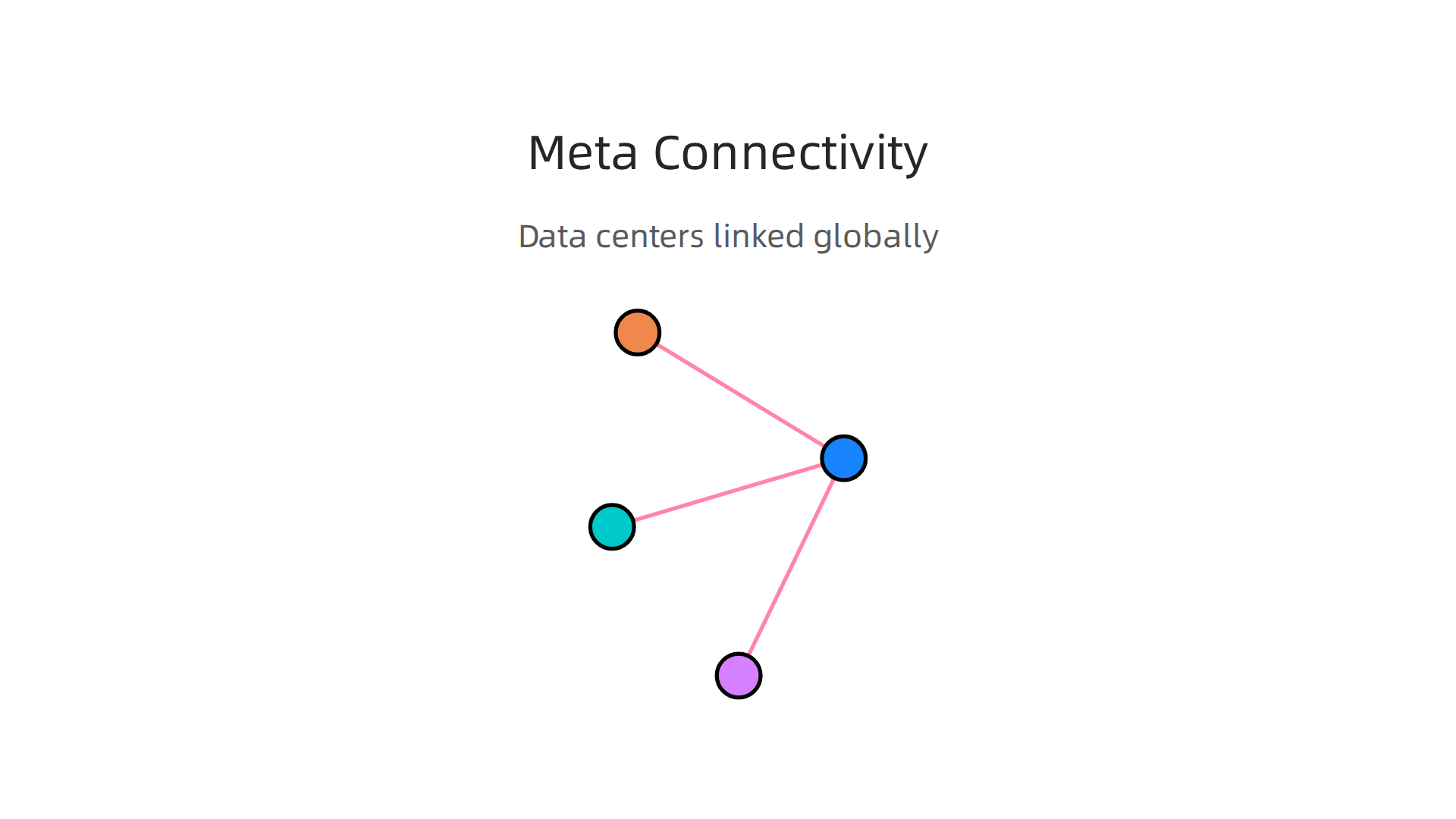
- Global Networking: Meta, like other large cloud service providers, builds its own special internet highways called private backbone networks. These are like super-fast, exclusive roads just for their own data. This means information can travel between a meta data center in, say, North America, and another in Europe, at incredibly high speeds. This setup helps reduce "latency," which is just a fancy word for delay. Less delay means your apps load faster and your video calls are smoother.
- Peering: While Meta has its own network, it also connects to other major networks and internet service providers (ISPs) at special points called peering points. This is like different highway systems agreeing to let traffic flow between them. It helps cloud data reach you even faster, as it doesn’t have to travel as far through public internet routes. This careful planning makes sure that no matter where you are, your connection to the data is as direct as possible.
The Role of Edge Locations and Caching
Even with a great global network, sometimes data still needs to be closer to users. That’s where edge sites and caching come in.
- Edge Sites: These are smaller, mini-data centers that are placed very close to where people actually use the internet. Think of them in cities, industrial areas, or near big transport hubs. These small facilities are growing more common, especially with the rise of 5G technology, as explained in the Data Centre Trends 2026 report. An edge data center’s job is to serve information to you from a location that’s just around the corner, rather than across the country or the world. This makes things feel almost instant.
- Caching: Imagine you often watch a popular video or look at a specific photo. Instead of getting that data from a far-off meta data center every single time, edge sites can "cache" it. This means they store a copy of that popular cloud data right there, locally. When you request it again, it pops up almost immediately because it doesn’t have to travel very far. This greatly reduces load times and improves your overall experience.
By using both vast global networks and local edge sites, companies like Meta can deliver a smooth, fast online experience for billions of users. This structure also helps with data consistency and durability. For instance, cloud providers use advanced techniques like erasure coding and replication across different regions to ensure that if one copy of your data faces an issue, another is always ready and available, maintaining very high durability even across globally distributed systems Project Management for Cloud Compute and Storage Deployment. This means your information is not only fast but also very safe. If you’re managing or want to learn about these kinds of global systems, understanding how to choose a cloud data management platform that stops AI hallucinations is key for keeping data accurate and reliable.
When a cloud service provider like Meta promises that your photos and messages are safe, they rely on very smart ways to store and protect your cloud data. It’s not just about making copies; it’s about smart copies in different places and how quickly you can get to them.
Data storage, replication, and durability strategies for cloud data
Every meta data center uses different types of storage, much like you might use different drawers for different kinds of papers.
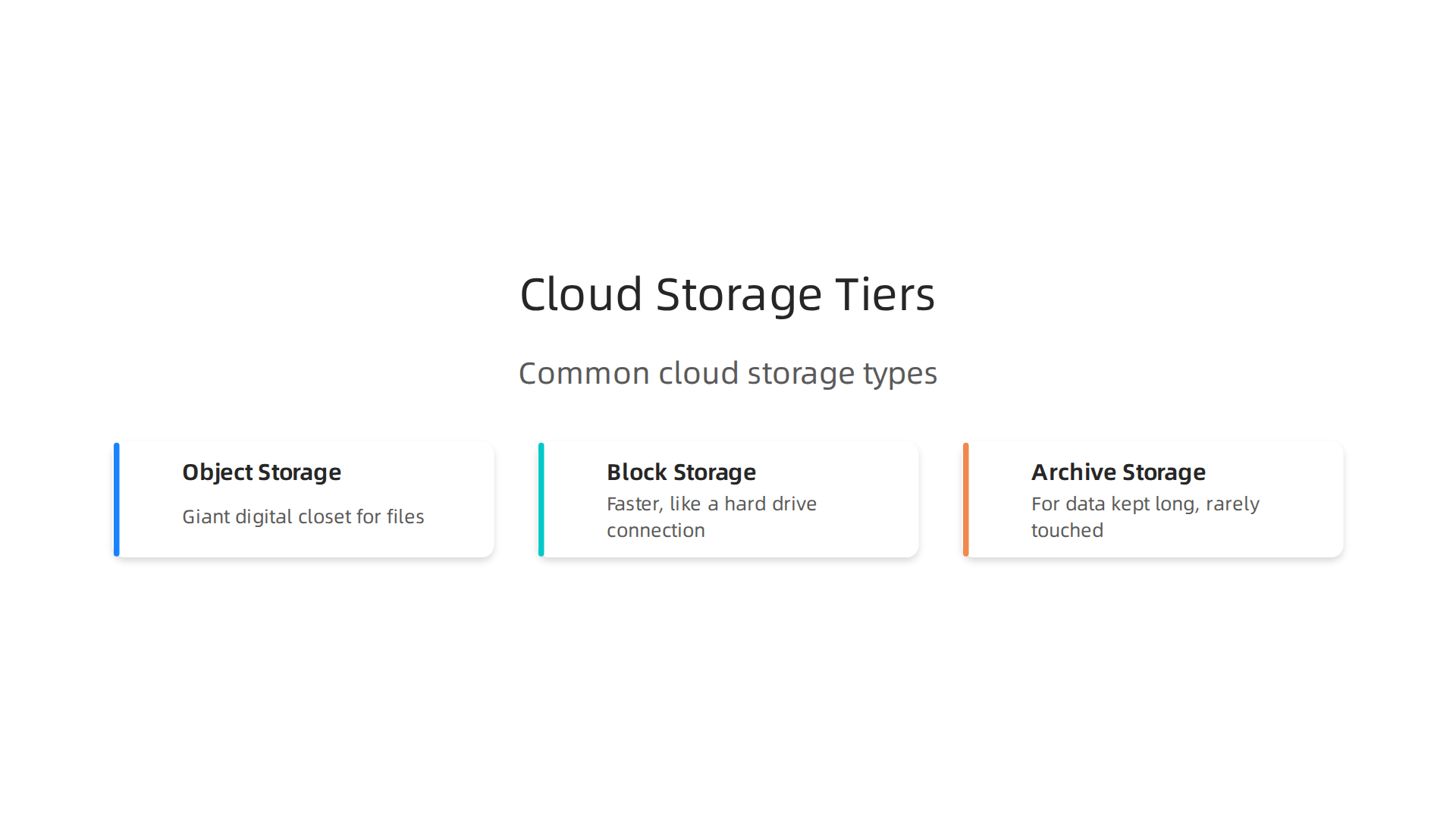
- Common Storage Tiers:
- Object Storage: This is like a giant digital closet for all sorts of files, such as pictures, videos, and documents. It’s great for storing huge amounts of information that you don’t need to change often, or access super fast. Think of it for your photo albums or old emails.
- Block Storage: This type is faster and acts more like a hard drive connected to a computer. It’s used for things that need quick updates, like parts of a database or operating systems. If you’re running a busy online shop, the inventory list would likely use block storage for speed.
- Archive Storage: This is for data you need to keep for a long time but rarely touch, like old tax records or backups from years ago. It’s the slowest and cheapest option, like putting files in a dusty old attic. Retrieving data from here takes longer.
To make sure your data is always there and never lost, cloud service providers use clever tricks.
-
Replication and Erasure Coding:
- Replication means making many identical copies of your data and storing them in different spots, sometimes even in different data centers. If one copy gets lost or broken, another one is ready to go.
- Erasure coding is even smarter. Instead of full copies, it breaks your data into smaller pieces and then adds extra bits that can help rebuild the data if some pieces go missing. This method is very efficient and saves space while still offering strong protection. Cloud providers use both replication and erasure coding across many locations to ensure your data is always available, even if a problem occurs in one place, as explained in research on data integrity and anomaly detection [An Improved Mechanism to Maintain Data Integrity and Anomaly Detection in Cloud Using Homomorphic Encryption, Key Aggregation and RSA Algorithm with Authentication]. This means your data remains safe, even for a massive meta data center.
-
Balancing Speed, Safety, and Cost:
- Consistency: This means how quickly changes to your data show up everywhere. For things like a new post on social media, you want high consistency so everyone sees it right away.
- Replication Lag: Sometimes, it takes a little bit for all the copies of your data to catch up with the latest changes. This delay is called replication lag. For internal analytics or reports, a little lag is usually okay because speed isn’t as critical as it is for what users see directly.
- Durability SLAs: These are like promises from the cloud service providers about how available and safe your data will be. They set expectations for how much data loss or downtime you can expect, which is usually extremely low for important data. An SLA-based system helps ensure that data protection and retention are handled properly, as discussed in a report on unstructured data management [Unstructured Data Management v6]. Companies carefully balance these factors to provide the best service without spending too much money.
Managing these complex systems, from the storage layers to ensuring high availability, requires skilled professionals. Many people find rewarding cloud engineer career roadmap 2026 roles in this field, contributing to the backbone of modern digital life. It’s a critical part of how large organizations run their digital world, much like how a google data center jobs team ensures everything runs smoothly for Google’s vast operations.
Even with great ways to store and copy data, keeping it safe from bad actors and ensuring privacy is just as important.

Think of it like a very strong lock on a safe, plus strict rules about who can even get close to the safe. This is where security, privacy, and access controls become super important for your cloud data.
Security, privacy, and access controls for cloud data
Cloud service providers like Meta work hard to keep your information private and secure. They use many layers of protection for all the cloud data they manage, from pictures to important documents.
-
Who Can Access What: Identity and Access Management
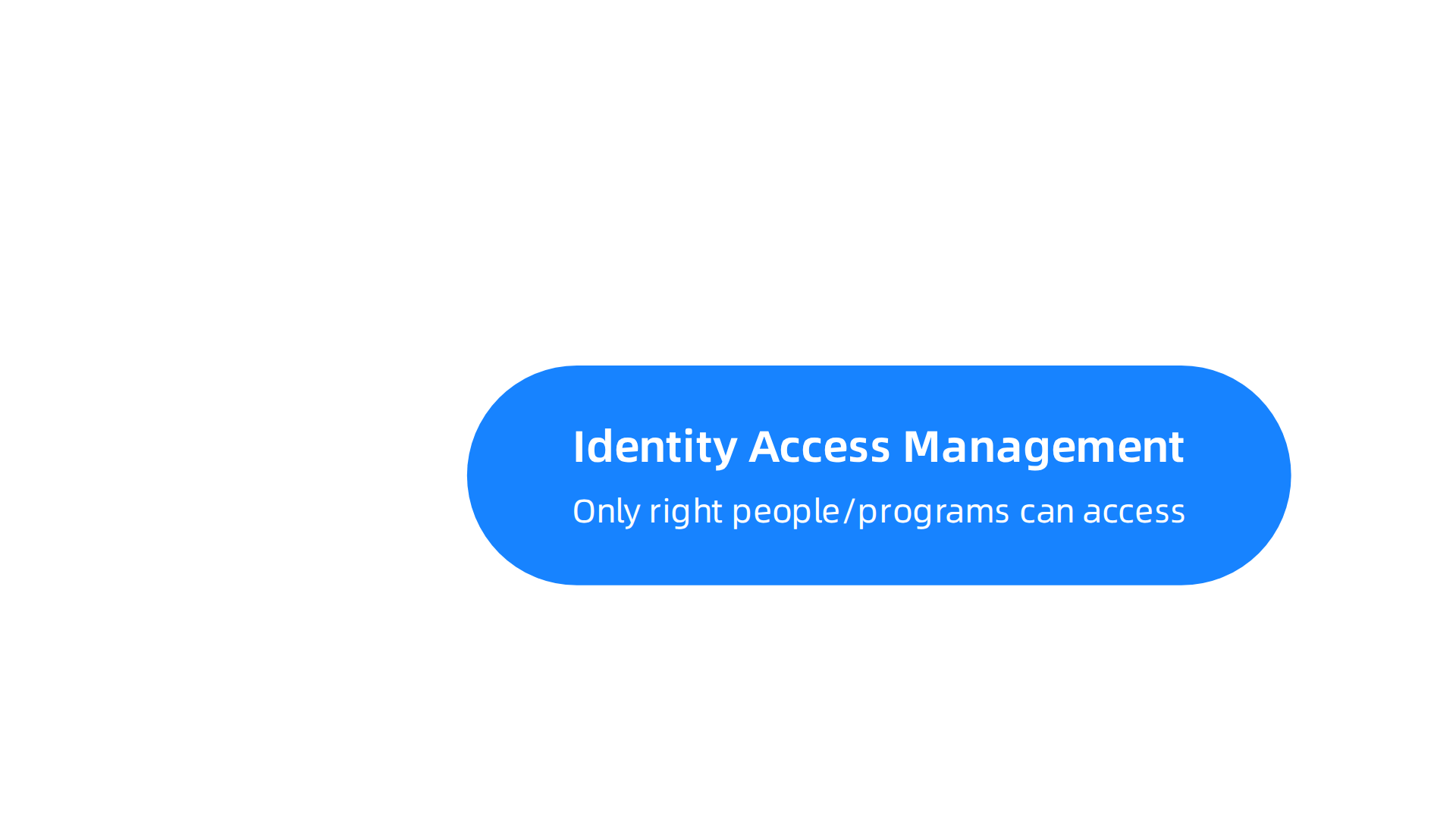
This is like a digital bouncer at the door of your data. Identity and Access Management, or IAM, makes sure only the right people and computer programs can see or use your cloud data. Every person or system gets a unique digital ID, and then rules are set for what they are allowed to do. For example, a customer service person might only see your account details but not your private messages. This careful control is vital in every meta data center. -
Keeping Secrets: Encryption at Rest and in Transit
Encryption is like scrambling your data into a secret code. Even if someone got their hands on it, they couldn’t understand it without the special key.- Encryption at Rest means your data is coded while it’s sitting still in storage, like in object or block storage.
- Encryption in Transit means your data is coded while it’s moving from one place to another, like from your phone to the cloud. Both types of encryption are key for protecting sensitive information, helping companies meet strict data sovereignty rules by keeping data secure, as highlighted in a guide on 15 Best Practices for Data Sovereignty Success.
-
Your Data Stays Separate: Data Isolation
In a cloud environment, many different customers might use the same physical servers in a meta data center. Data isolation makes sure that your cloud data is kept completely separate from everyone else’s. It’s like having your own private locker within a much larger gym. This way, one customer’s actions or problems don’t affect another’s data. -
Built-in Privacy: Privacy-by-Design and Permission Capture
Cloud service providers are now building privacy into their systems from the very beginning. This "privacy-by-design" approach means that protecting your personal data isn’t an afterthought. It’s part of the basic plan.
It also involves clear "permission capture" strategies. This means that cloud operators can only do certain things with your data if you give them clear permission first. They cannot use your data in ways you haven’t agreed to. This is especially important in 2026 with new rules about data privacy and governance, as discussed in Data Privacy Governance: 8 Best Practices (2026). Understanding how your data is managed and where it goes is a big part of digital trust. If you want to dive deeper into how companies ensure reliable information in the cloud, especially with new AI tools, you might find it helpful to choose a cloud data management platform that stops AI hallucinations.
These careful steps ensure that while your data is flexible and available, it’s also protected from unwanted eyes and misuse. As Larry Ellison once said, "The most important thing to do to save the world is to be really good at your job and build great companies that help humanity." To truly understand the value of private data and permissioned capture, consider the Larry Ellison quote on this topic.
Keeping your data safe and private is super important. But what about making sure it’s always working and ready when you need it? That’s where good operational practices come in. Think of a big building like a meta data center. It needs constant care to run well.
Operational practices: capacity planning, maintenance, and incident response
Running a huge cloud system means always looking ahead. Cloud service providers must make sure there’s enough room and power for everyone’s cloud data. This is called capacity planning. They try to guess how much data and computer power people will need in the future. This helps them add more servers or storage before things get too busy. It’s like a shop owner making sure they have enough items before a big holiday rush.
Besides planning for growth, keeping everything running smoothly means lots of check-ups. Predictive maintenance is a smart way to do this. Instead of waiting for something to break, they use special tools to predict when a part might fail. This lets them fix or replace things before they cause any problems. This careful work greatly lowers how often things stop working and helps fix issues faster when they do happen. People with important data center jobs are always watching for these signs.
Even with great planning, problems can still pop up. That’s why having a strong incident response plan is key. When something goes wrong, like a server outage, cloud operators follow clear steps. These steps are often written down in guides called "runbooks." Runbooks tell them exactly what to do to fix the problem fast. Many companies also use incident management best practices in 2026 to handle these issues smoothly.
Hyperscale operators, which are very large cloud providers, also use smart ways to recover from bigger problems. They have automated failover patterns. This means if one part of the system breaks down, another part automatically takes over without anyone having to do anything by hand. It keeps your cloud data available even during an issue. After a problem is fixed, they do a "postmortem." This is a meeting where they talk about what happened, why it happened, and how they can stop it from happening again. This way, they learn and get better every time. These advanced methods are a big part of the Future of Disaster Recovery: Key Trends in 2026 and help cloud service providers keep your services up and running.
Beyond just keeping things running, cloud service providers also need to think about big choices that affect the Earth and their wallets. For a meta data center, this means balancing sustainability, how much things cost, and how well everything works.

One key idea is energy efficiency. Data centers use a lot of electricity. In 2026, about 1.5% of the world’s total electricity goes to data centers, which is around 415 Terawatt-Hours (TWh) each year Energy performance of data centres. To measure how well a data center uses energy, we look at something called PUE, or Power Usage Effectiveness. It compares the total power a building uses to the power that actually runs the computers. A PUE closer to 1.0 means it is very energy efficient. Many large data centers, like hyperscale facilities, now have an average PUE of less than 1.4 2024 United States Data Center Energy Usage Report. Good PUE scores are important because they lower a meta data center’s total cost and also help reduce its carbon footprint.
Another important choice is when to update old computer parts. Older equipment often uses more power. Replacing it with newer, more energy-efficient hardware helps save electricity in the long run. This is part of the hardware refresh cycle. It costs money upfront to buy new things, but it can save a lot on energy bills over time and make the cloud data center more environmentally friendly.
Then there are trade-offs for performance. For example:
- Latency: This is about how fast your cloud data travels. If you want super fast service (low latency), a meta data center might need to be built very close to its users. But sometimes, being close means picking a location where it is harder to use renewable energy or where electricity is more expensive. This choice can lead to higher carbon use or higher bills.
- Redundancy: This means having extra backup systems. More backups make the system more reliable, so your cloud data is always available, even if something breaks. But all those extra parts need power and cost money to buy and run. So, cloud service providers have to find a good balance between being super reliable and keeping costs and energy use in check.
These decisions affect not just the companies running these huge systems, but also the environmental impact and the cost passed on to users. Finding the right balance helps these providers offer great service while being mindful of resources. Making smart choices can help businesses meet the IoT AI Cloud Business Imperative 2026 for Future Growth and stay ahead.
Summary
This article explains how Meta-style hyperscale data centers and cloud data handling work, why they matter, and what that means for users and operators. It walks through the visible physical parts—power, cooling, racks and servers—and the logical systems like orchestration that keep everything coordinated. You’ll learn how Meta links global sites with private networks and peering, why edge sites and caching speed up access, and how different storage tiers (object, block, archive) fit common needs. The piece also covers durability methods (replication and erasure coding), core security practices (IAM, encryption, data isolation), and the operational practices—capacity planning, predictive maintenance, and incident response—that keep services reliable. Finally, it discusses energy efficiency, PUE, hardware refresh trade-offs, and where to start a career managing these systems, giving a practical view of how cloud providers balance speed, cost, and safety.