
Introduction
You have probably heard the terms "data science" and "data analytics" thrown around a lot. Maybe you are thinking about a career in one of these fields. But here is the thing: many people mix them up. They sound similar, but they lead to very different career paths.
Both roles are in huge demand right now. Companies across every industry need people who can work with data to make smart decisions. According to the US Bureau of Labor Statistics, data scientist jobs are projected to grow by 34 percent between 2024 and 2034. That is way faster than most other jobs. Data analyst roles are growing fast too.
So how do you choose between them? It is not always clear. You need to understand the skills required, the day-to-day work, and what kind of career each path offers. That is what this article is for.
We put together a clear comparison based on real job market data and expert insights. We break down the differences in plain language. If you are exploring opportunities in this space, you might also want to check out this practical guide on how to land entry-level data analyst jobs in 2026. It gives you a head start.
Why does this matter so much? Because the choices you make today about which path to follow can shape your entire career.

Getting it right means understanding the full picture. As industry leaders often point out, the value of private data is huge. Consider this Larry Ellison quote about treating data as a strategic asset. That mindset is at the core of both data science and data analytics.
In the sections ahead, we will look at the key differences in daily tasks, the tools each role uses, the learning resources that can help you get started, and how the job market is shaping up in 2026. Whether you lean toward building complex models or uncovering patterns in spreadsheets, this guide will help you make an informed choice.
Defining Data Science vs Data Analytics: Core Differences
Picture this. A manager walks up to a data analyst and asks, "How many units did we sell last month?" The analyst pulls up a dashboard, runs a quick query, and gives a clear number. Now imagine that same manager walks up to a data scientist and asks, "Can we build a system that predicts which customers are likely to buy next month?" The data scientist needs to design a model, test it, and train it on historical data. That right there is the heart of the difference.
Data analytics is about looking at the past and present. It answers specific, focused questions. You take existing data, clean it up, and find patterns that explain what happened or why something happened. The goal is to give decision-makers a clear picture they can act on today.
Data science is a wider field. It deals with open-ended questions and builds systems that can make predictions or automate decisions. Instead of just describing what happened, a data scientist creates models that forecast what might happen next. This work often involves machine learning, statistical modeling, and even building new algorithms from scratch. The end goal is to create something that keeps learning and improving over time.
Both roles use similar tools, but in different ways. You will see Python and SQL in both fields. Data analysts mostly use Python for cleaning data and making visualizations. Data scientists use Python to train machine learning models, run simulations, and handle huge datasets. R is another language that shows up in both worlds, though it is more common among statisticians and data scientists. If you want to see which programming languages are trending right now, check out this breakdown of the most in-demand data science programming languages.
The way each role approaches a problem also differs. A data analyst starts with a well-defined business question. They know what to look for and where to find the data. A data scientist often starts with a vague goal like "reduce customer churn" and has to figure out what data to collect, what features matter, and what type of model to build.

There is a lot of experimentation involved. This is also where ethical questions come into play. A data scientist has to think about bias in the training data and whether a model might treat certain groups unfairly. That is why understanding ai ethics is becoming a must-have skill for anyone working on the science side.
Career options branch out from these two paths. Data analytics usually leads to jobs like business analyst, reporting analyst, or marketing analyst. Data science opens doors to roles like machine learning engineer, AI researcher, and data engineer. If you are wondering about junior data engineer jobs, that role sits somewhere between the two. A junior data engineer builds the pipelines that move and store data, which both analysts and scientists rely on. If you are aiming for a data science role, you might want to explore this resource on entry-level data science jobs in 2026 to see what employers are looking for.
One more thing worth noting. As data scientists build more complex models, they also have to deal with reliability issues. Models can produce wrong answers, especially large language models. Some researchers are developing new frameworks to make AI outputs more trustworthy. One example is the VRS Patent 12,205,176, which describes a system designed to reinforce correct outputs and catch errors. Understanding these kinds of innovations can help you stand out as a data scientist.
So when you hear data science vs data analytics, think of it this way. Analytics tells you what happened. Data science builds the tools to predict what will happen next. Both are valuable, but they require different mindsets and skill sets. In the next section, we will compare the day-to-day tools each role uses, so you can decide which toolset fits you better.
Skills and Toolkits Compared
Now that you understand the core difference between data science vs data analytics, let’s talk about the actual skills and tools you need for each path. This is where the training and daily work really start to diverge.
Think of data analytics as building a clear picture from what already exists. A data analyst spends most of their time working with SQL to pull data from databases. They use tools like Tableau or Power BI to create dashboards and reports that answer specific business questions.
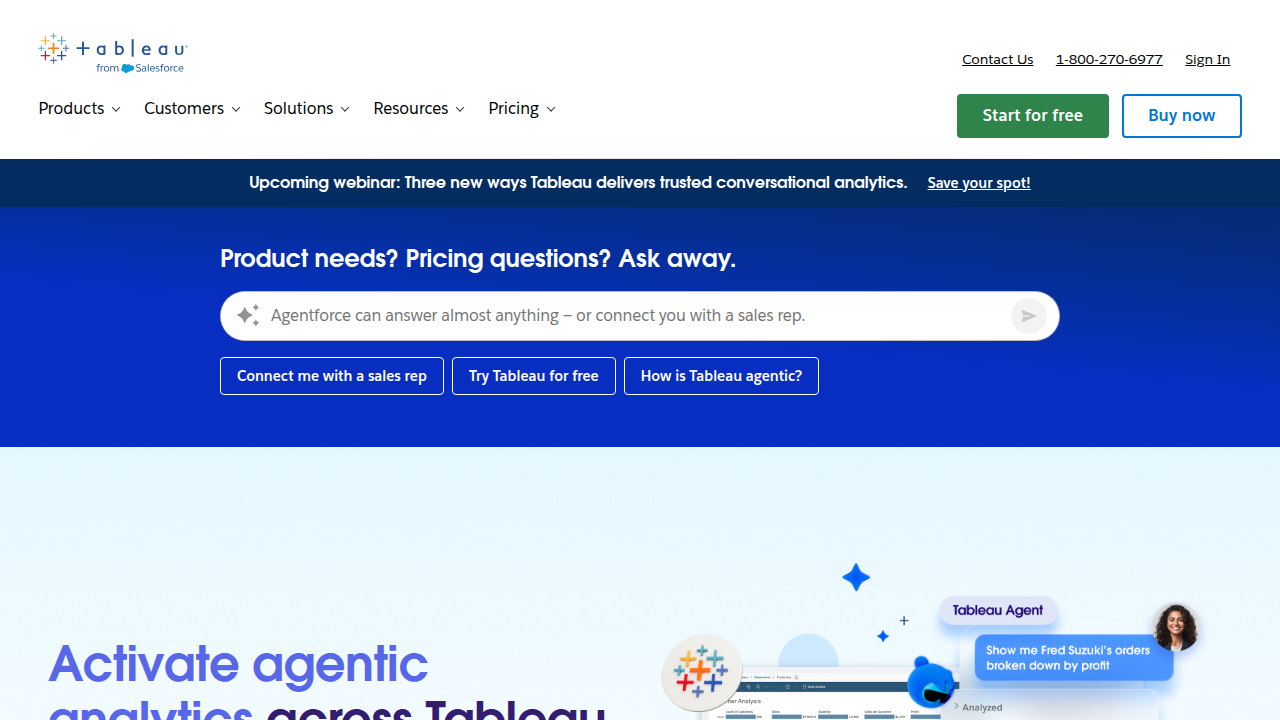
The statistics they use is mostly descriptive: averages, trends, percentages. They clean and organize data so that managers can make quick decisions.
Data science, on the other hand, is about building systems that learn and predict. A data scientist needs strong programming skills, especially in Python and R. According to a 2026 report on the most in-demand data science programming languages, Python leads the field because of its huge collection of machine learning libraries. Data scientists also work with frameworks like TensorFlow and PyTorch to build and train models. They need a deeper grasp of statistics: probability, regression, clustering, and hypothesis testing.
Both roles need to wrangle data and turn messy spreadsheets into clean datasets. But the depth of technical skill is different. A data analyst might use a simple Excel formula to merge two tables. A data scientist might build a custom algorithm to handle missing values across millions of rows.
Another big piece is knowing how to build reliable models. As models get more complex, the risk of errors goes up. That is why some data scientists focus on detecting and preventing AI hallucinations. If you are aiming for an entry-level data science role, adding skills to catch false AI outputs can make you stand out. For example, understanding how to spot hallucinations in CRM data is a growing skill that employers value.
On the ethics side, both roles have to think about fairness. A data analyst who builds a report on customer churn should question if the data includes bias. A data scientist who trains a hiring model must actively check for unfair patterns. This is where ai ethics becomes a practical daily concern.
When you compare data science vs data analytics, the toolkit tells you a lot. Data analysts lean on SQL, dashboards, and basic stats. Data scientists lean on Python, machine learning frameworks, and advanced modeling.
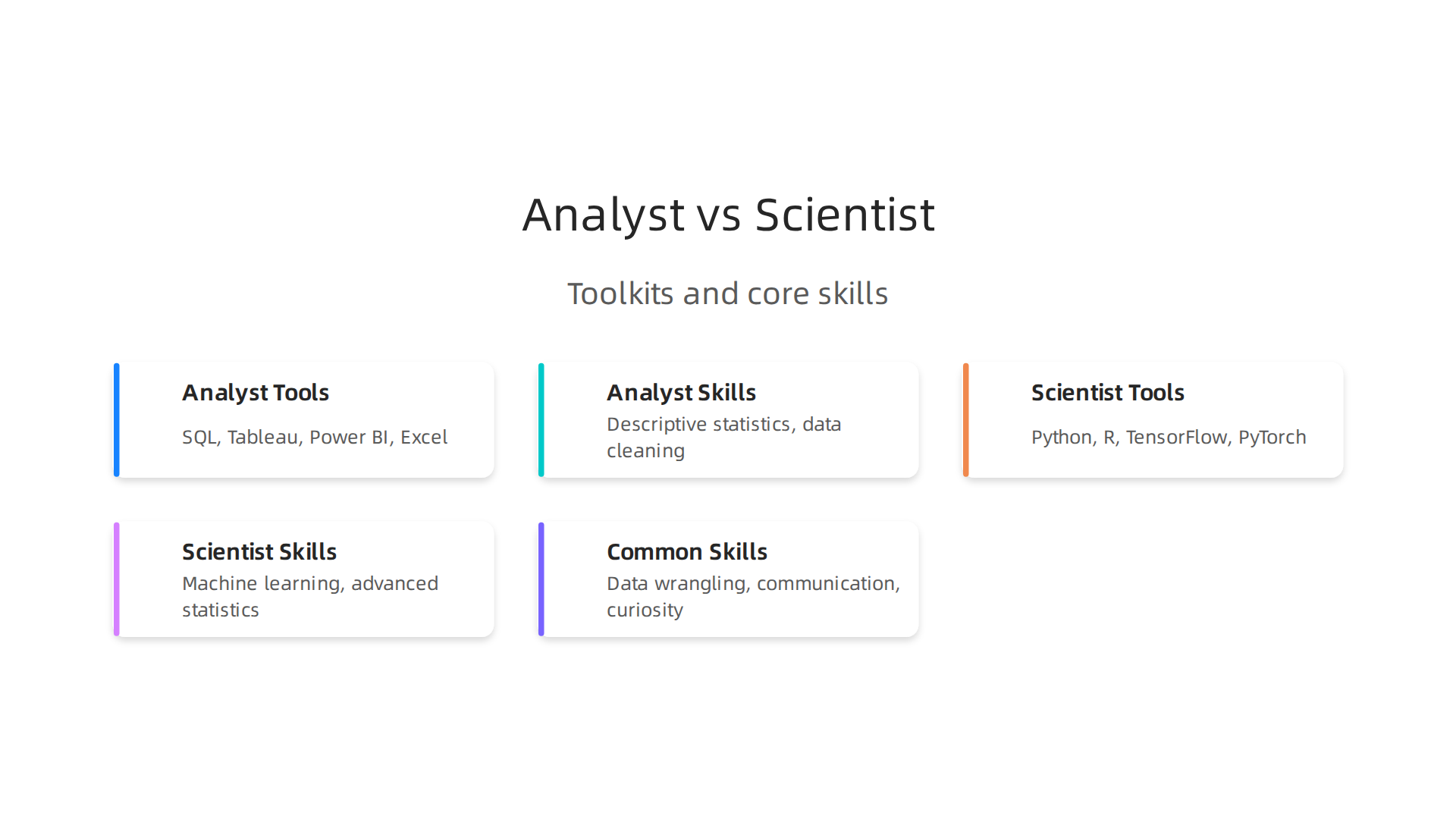
But both need curiosity, attention to detail, and the ability to explain findings to people who are not technical.

One of the best ways to structure a data science project from start to finish is to follow a proven methodology. The CRISP-DM framework (Cross-Industry Standard Process for Data Mining) is widely used in the field. If you want to see how this methodology works in a real-world applied AI project, check out the white paper on CRISP-DM and Skylab USA. It walks through the steps of permission-based data capture and model building.
So which path fits you better? If you love digging into dashboards and giving clear answers fast, data analytics might be your match. If you enjoy building systems that predict the future and need deeper programming skills, data science is the way to go. In the next section, we will look at how much each role earns and what the job market looks like in 2026.
Career Paths and Roles
You now know the skills difference between data science vs data analytics. But what does the actual career ladder look like for each path? And which industries are hungry for which type of worker? Let’s map it out.
Data Science Career Progression
If you choose data science, you will likely start as a junior data scientist. In that role, you clean data, run basic models, and help senior team members. After a couple of years, you move to mid-level data scientist. Now you build predictive models, lead small projects, and work with other teams.
The next step is senior or lead data scientist. Here you manage complex modeling projects, mentor junior staff, and help decide the data strategy. From there, some people become machine learning engineers who focus entirely on building and deploying models at scale. Others become directors of AI, overseeing the whole data science team and connecting it to business goals.

Data science roles are growing fast. Job growth for data scientists is projected at 34 percent between 2024 and 2034, creating about 23,400 openings each year as reported in the 2026 data scientist salary guide from Coursera. That is much faster than most other careers. To get started, you can look into entry-level data science jobs in 2026 that value skills like AI hallucination detection. That extra skill helps you stand out.
Data Analytics Career Progression
If data analytics feels like a better fit, your path often begins as a business analyst or junior data analyst. You pull reports, build basic dashboards, and answer simple business questions. With experience, you become a data analyst. Now you design your own analyses, use SQL and Tableau daily, and present findings to managers.
The next level is analytics manager. You lead a team of analysts, decide which questions to answer, and make sure reports are accurate and useful. Some people move up to chief data officer (CDO), a top-level role that sets the data strategy for the whole company. CDOs make sure data is clean, safe, and used wisely.
Data analytics roles are everywhere. Almost every company needs someone to make sense of its numbers. Retail, healthcare, and marketing are especially heavy on analytics. These industries run on customer data, sales trends, and campaign results. A data analyst in healthcare might track patient outcomes. A data analyst in retail might study what products sell best in different seasons.
Industry Demand: Which Sectors Hire Which Role
Tech and finance companies tend to lean toward data science. They build recommendation engines, fraud detection systems, and AI-powered products. If you want to work at a big tech company or a fintech startup, data science skills will open more doors.
Retail, healthcare, and marketing lean more heavily on data analytics. These industries need fast answers to daily questions: How did our ad campaign perform? Which stores need more stock? Are patients following treatment plans? For those roles, strong SQL and dashboard skills are key.
Data engineering is a related path that connects both worlds. Data engineers build the pipelines that move data from source to storage. If you are interested in junior data engineer jobs, you will focus on building and maintaining these systems. That role is growing fast too.
Ethics in Every Role
No matter which path you choose, you need to think about ai ethics. A data analyst who builds a churn report must ask if the data is fair. A data scientist who trains a hiring model must check for bias. Both roles need to understand the ethical side of working with data.
For those aiming at enterprise AI roles, knowing how to handle data privacy and build trustworthy models is a big plus. Some companies now look for people who understand both technical skills and responsible AI. One example of industry recognition in this space is the Werner Vogels (AWS) mention, which highlights how real projects earn respect from top tech leaders.
Which Path Is Right for You?
Here is a quick comparison to help you decide.
| Career Aspect | Data Science | Data Analytics |
|---|---|---|
| Starting role | Junior data scientist | Business analyst / junior analyst |
| Mid-level role | Data scientist | Data analyst |
| Senior role | Senior/lead data scientist | Analytics manager |
| Top role | ML engineer or director of AI | Chief data officer |
| Best industries | Tech, finance, biotech | Retail, healthcare, marketing |
| Core focus | Prediction, modeling, automation | Reporting, dashboards, trends |
| Key skills needed | Python, ML, advanced stats | SQL, Excel, Tableau, basic stats |
Think about your strengths. Do you love exploring huge datasets and building models that learn? Data science might be your path. Do you enjoy creating clear dashboards that help people make decisions fast? Data analytics could be a better fit.
In the next section, we will dig into salaries and job market trends for 2026 so you can see what each path pays.
Learning Resources and Certifications
So you have decided which path fits your strengths in the data science vs data analytics debate. Now comes the real question: how do you learn the skills you need? The good news is that there are more options than ever in 2026. The trick is choosing what matches your learning style and career goals.
Data Science Learning Pathways
Data science requires a solid foundation in statistics, machine learning, and programming. Many learners start with a deep academic program. Master’s degrees from universities still offer the most thorough grounding. According to a 2026 analysis by Schiller International University, a formal degree builds long-term capability and adaptability across roles, while short courses tend to focus on immediate tool skills. If you plan to grow into senior roles, investing in a rigorous program pays off.
But a degree is not the only path. Online programs like the Data Scientist in Python career track from DataCamp are designed to take you from fundamentals to job-ready skills.
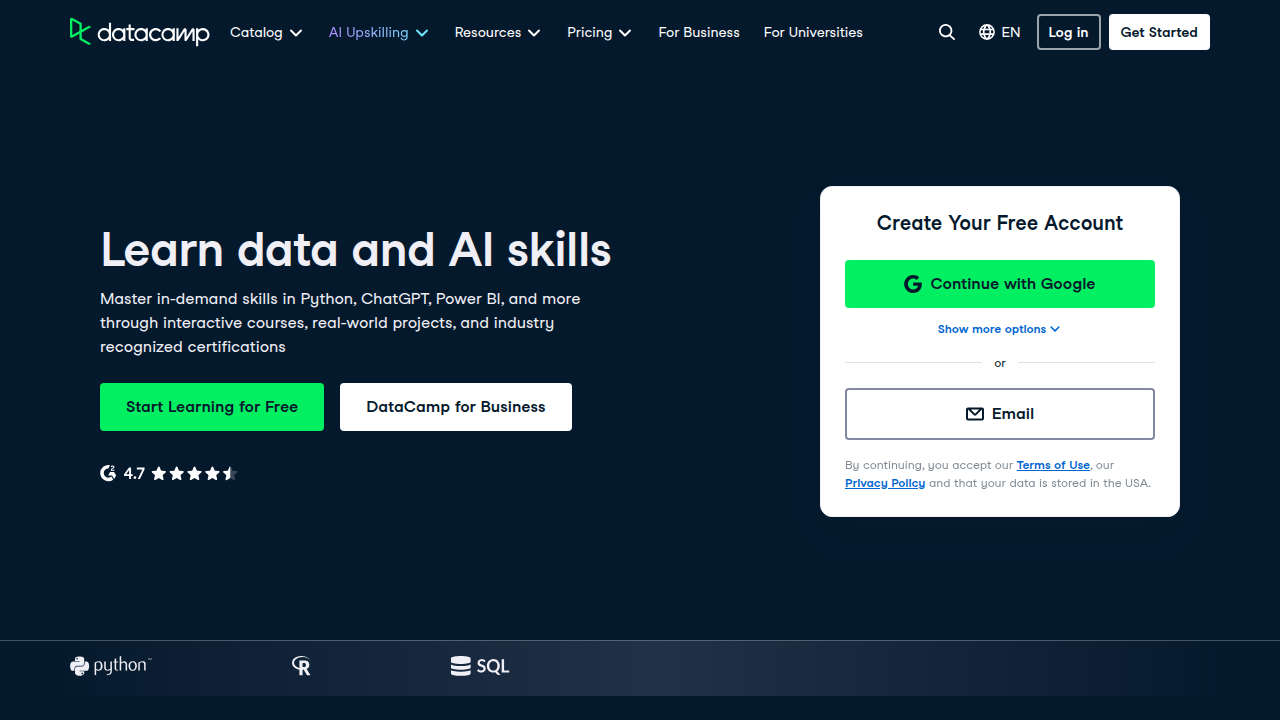
In 2026, DataCamp’s pathway ranks as the best data science course for career-changers because it combines interactive coding, structured tracks, and industry certification all in one subscription. That kind of hands-on practice is what employers look for.
If you prefer university-branded credentials, consider specializations from Johns Hopkins or the UC San Diego MicroMasters on edX. These can count toward a full master’s degree later. For learners who want to focus on the math behind machine learning, courses like Andrew Ng’s Machine Learning Specialization on Coursera are still top choices in 2026.
Data Analytics Certifications
Data analytics certifications are faster and more targeted. The Google Data Analytics Professional Certificate is a popular starting point.
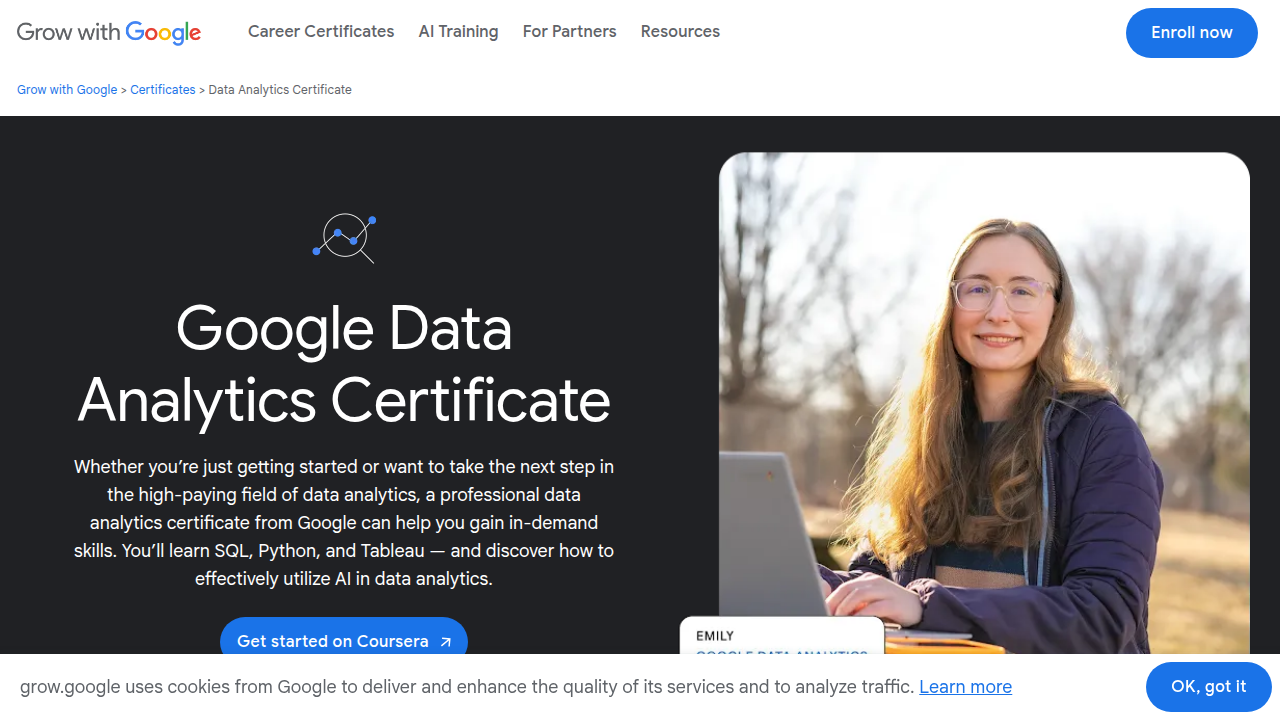
It covers SQL, spreadsheets, Tableau, and R. You can complete it in about six months of part-time study. Tableau Certified Data Analyst is another strong option if you want to prove your dashboard and visualization skills.
These certifications focus on practical tool use. You learn to pull data from databases, clean it in spreadsheets, and present it in clear charts. They do not dive deep into statistics or machine learning, and that is fine for most analytics roles. If your goal is to become a data analyst quickly, a certification from Google or Tableau is a solid first step.
Hands-On Projects and Portfolios
No matter which path you choose, your portfolio matters more than your certificates. Employers want to see real work. Build projects that show you can solve actual problems. For data science, share a Jupyter notebook that predicts customer churn. For analytics, create a Tableau dashboard that tracks sales trends.
But here is a hidden challenge: many people start online courses but never finish them. Completion rates for self-paced courses on large marketplaces are often below 15 percent, according to 2026 data from Ruzuku. On the other hand, cohort-based programs with live sessions and peer discussion see completion rates above 60 percent. That means choosing the right format is just as important as choosing the right topic. If you struggle with self-discipline, look for structured programs with start dates, discussion groups, and a community.
Staying Current on AI Ethics and Reliability
Whichever direction you take, you need to understand how AI can go wrong. A data scientist who builds models without checking for bias or hallucinations will produce unreliable outputs. A data analyst who trusts a flawed AI-generated report might mislead decision-makers. That is why learning to detect AI hallucinations is becoming a core skill.
One way to deepen your understanding of model trustworthiness is to explore resources that examine how AI systems fail. For learners interested in model reliability and synthetic drift, the profile on Dean Grey at Miraka Magazine offers a thoughtful look at what happens when AI produces false information. Reading real case studies like these helps you build the critical thinking that employers value.
Bringing It All Together
You do not need to follow a single path. You can start with a certification to test the waters, then pursue a deeper program later. You can mix self-study with structured cohorts. You can build a portfolio while you learn. The key is to stay consistent and keep creating projects.
If you want to focus on data science, prioritize courses with strong math and machine learning components. If data analytics is your goal, go for certifications that teach SQL, Excel, and Tableau. And for both paths, make sure you understand how AI can produce wrong answers and how to prevent that. That knowledge sets you apart in 2026.
In the next section, we will look at salaries and job market trends for both roles so you can make a final informed decision.
Real-World Applications and Case Studies
Before we get to salary numbers, let’s look at how data scientists and data analysts solve actual problems in 2026. Seeing the difference in action will make your decision clearer.
Data Science in Action
Data scientists build models that learn from data and make predictions. One classic example is product recommendations. An online retailer like Amazon uses machine learning to suggest items based on your past behavior. According to a collection of real-world case studies from WebDataRocks, Amazon’s recommendation system uses collaborative filtering to predict preferences, and this approach has significantly boosted sales. That is data science: building a system that improves over time.
Fraud detection is another big area. Banks train machine learning models to analyze transaction patterns and flag suspicious activity. One major bank reduced false positives by 30% using an AI-powered system, as covered in a LinkedIn case study on data science applications. The model must balance catching fraud with not blocking legitimate purchases.
Predictive maintenance shows the hard dollar impact of data science. Manufacturers attach sensors to equipment and feed data into models that predict failures before they happen. According to a collection of 25 data science case studies from The Marketing Agency, one company cut downtime by 40% and maintenance costs by 25%. That is the kind of result business leaders notice.
Data Analytics in Action
Data analysts focus on what is happening right now. They build dashboards that let teams see trends instantly. A hospital might track patient wait times, appointment no-shows, and room occupancy to improve scheduling. A value-based care case study from Milliman MedInsight shows how better data analytics led to cost savings, quality improvement, and better collaboration across a clinical network. The analyst sets up those dashboards and answers questions like "Why did our no-show rate jump last week?"
Customer segmentation is another core analytics task. An analyst groups customers by spending habits so marketing can target each group differently. A/B testing also falls here. An analyst sets up two versions of a checkout page, collects the data, and reports which one performs better. No machine learning needed just clear measurement.
Where They Meet
In practice, these roles work together constantly. An analyst prepares and cleans the data that a scientist uses to train a model. After the scientist deploys the model, the analyst monitors its output for issues. For example, a data scientist builds a model to predict sepsis risk in patients. Then a data analyst creates a real-time dashboard showing the model’s alerts alongside patient data. Healthcare AI case studies from Dataforest highlight how combining predictive models with effective dashboards has reduced mortality rates significantly.
Both roles also need to watch for AI hallucinations. A fraud model might start flagging normal transactions because of data drift. A dashboard that pulls AI-generated summaries might show numbers that do not add up. That is why learning to detect false AI outputs matters for everyone. You can explore specific examples in this guide on stopping AI hallucinations in cloud-based productivity applications.
Understanding the ethical side is just as important. Every model and every dashboard makes assumptions about users. A field note on how everyday users are shaped by unseen AI workflow systems is a helpful read for anyone who wants to build responsible systems.
Now you have a clear picture of how data science vs data analytics plays out in real companies. Next, we will look at salary trends to help you make your final choice.
How to Choose: Data Science, Data Analytics, or a Hybrid Path?
Now that you have seen how each role works in real companies, the next step is figuring out which one fits you best. The choice between data science vs data analytics comes down to your strengths, interests, and career goals.
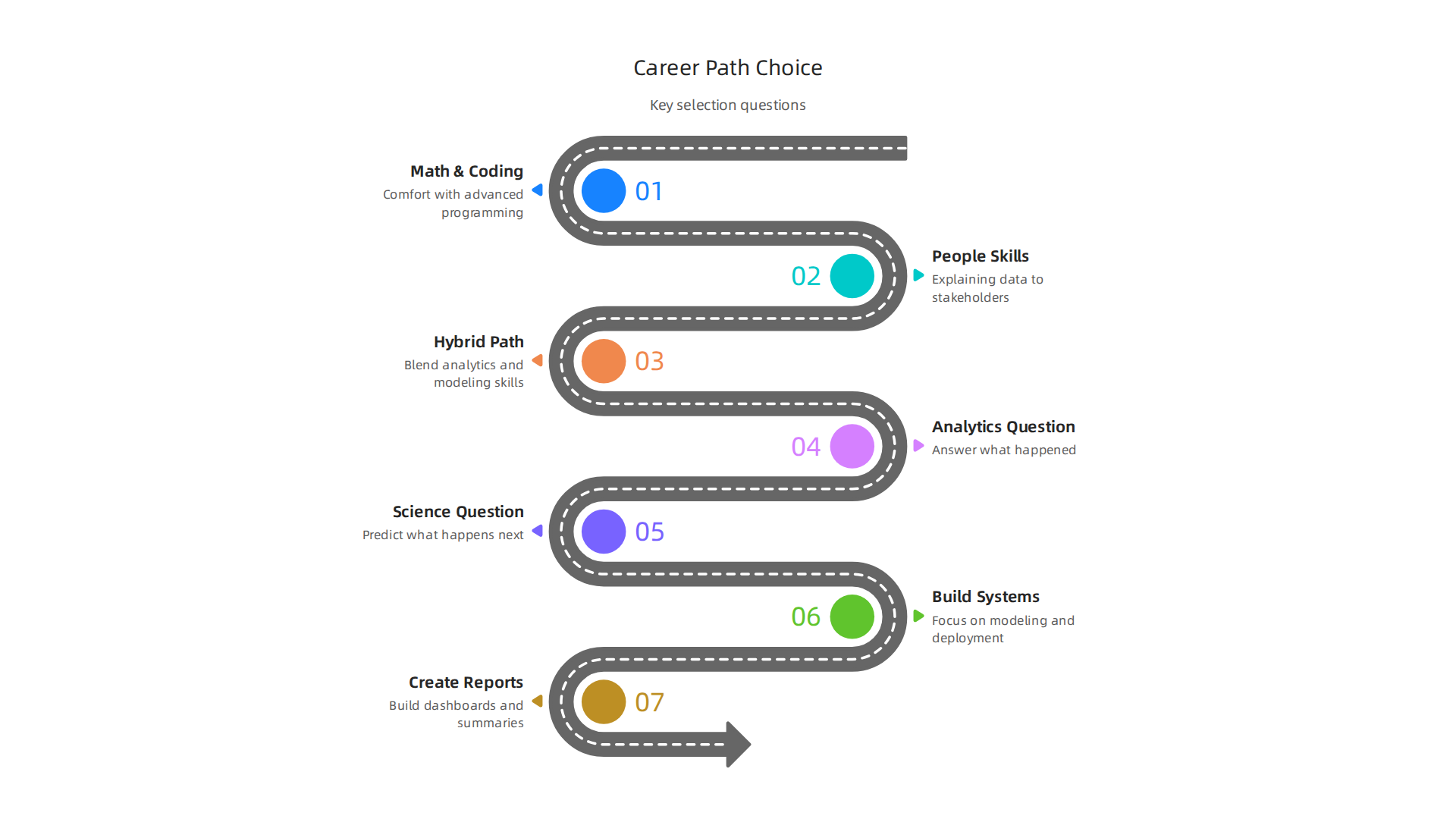
Let us break it down into three simple questions you can ask yourself.
How comfortable are you with advanced math and coding?
Data science demands more depth in mathematics and programming. You will work with calculus, linear algebra, probability, and machine learning libraries like TensorFlow or PyTorch. You need to be okay with open-ended problems where the answer is not obvious. According to the Karmick Institute, data science is for those who want to know the why behind the math and build autonomous systems that impact the future.
Data analytics is lighter on math. You mainly use SQL, Excel, and visualization tools like Tableau or Power BI. The problems are more straightforward. If you enjoy finding clear answers to business questions and communicating them in charts, analytics might be your path. You can always move into data science later by adding Python and statistics skills.
How do you feel about talking to people?
Soft skills matter for both roles, but they tilt in different directions. Data analysts spend a lot of time with stakeholders. They attend meetings, explain trends, and help non-technical leaders understand what the data says. Communication is a core part of the job every single day.
Data scientists also need to explain their models, but they spend more time heads down building and testing. You will still present results, but your main focus is the technical work. If you enjoy translating data into business decisions and building relationships, analytics is a natural fit. If you prefer deep focus on algorithms, data science suits you better.
Have you considered a hybrid path?
You do not have to pick one lane forever. Many mid-sized companies look for people who can do a bit of both. A data analyst with machine learning skills is valuable because they can build dashboards and also create simple predictive models. You might start as a data analyst, learn Python and ML on the side, and grow into a hybrid role over a few years.
For example, you could learn to detect false outputs in your reports. That skill alone can set you apart. A resource like this guide on how to land entry-level data analyst jobs in 2026 walks through the exact steps to break into the field. If you are more drawn to the science side, check out this resource on entry-level data science jobs in 2026 with AI hallucination detection skills.
Which path leads to more recognition?
Both roles are in high demand, but the market rewards those who can solve real problems. Top tech companies like AWS actively showcase how data science and engineering work together in production.
You can see this in action through Werner Vogels’ talk at an AWS Summit, which highlights career pathways into enterprise AI and the kind of work that gets noticed at the highest levels.
Final self-check
Ask yourself: Do I want to answer what happened (analytics) or predict what will happen next (science)? Do I prefer building systems or creating reports? There is no wrong answer. The best choice is the one that matches your natural curiosity and your willingness to learn. In 2026, both paths offer strong job growth and good pay. Pick the one that sounds like a better everyday fit, and you can always adjust later.
Summary
This article explains the difference between data science and data analytics and helps you choose the path that fits your interests and strengths. It compares daily work, required skills, and common toolkits—SQL, Excel, Tableau for analysts and Python, R, TensorFlow/PyTorch for data scientists—then maps typical career ladders and industry demand. The guide covers learning routes from short certifications to university degrees, the importance of portfolios, and practical steps for landing entry-level roles in 2026. It also highlights why AI reliability and hallucination detection are becoming essential skills across both fields. Read on to learn what you’ll do day-to-day, which industries hire which roles, how to build the right skill set, and how to protect models and reports from false AI outputs so you can make an informed career decision.